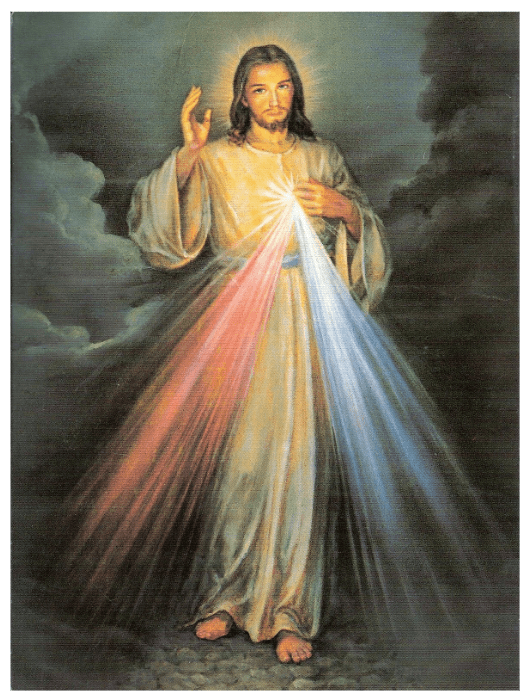
A question we often need to ask in our religious lives and religious experiences and religious expressions as Christians is this:
Is this God we’re experiencing or worshipping or speaking about …or is this an idol of human making?
There is so much at stake with this question. This question is central to the stories and the teachings of the Bible, and to what our great ancestors and saints of the faith have wrestled with and revealed about God and the human condition.
Is this God we’re experiencing or worshipping or speaking about …or is this an idol of human making, some all-too-human force that’s getting inflated and put on a throne?
This question is important to wrestle with if we care about what’s actually true. This question is important if we care about what’s actually right and good and just and beautiful. This question is important if we or others we care about have ever been led astray or taken advantage of or harmed because of someone using “God” to justify behavior that is, let’s say, “all-too-human.”
This is the kind of question that is an ultimate question we need to return to and grow through, throughout our lives as individuals and as a community of faith. I’m not going to pretend that it’s an easy question or a comfortable question. But it’s a matter of integrity that we are regularly discerning our way through it.
The good news is that if we are committed to seeking God by trying to follow this Way of Jesus, we have some very good guidance in our discerning this question. The Apostle Paul and the other New Testament writers have some very clear teachings about this, and, most importantly, we have Jesus himself to serve as our model and guide.
When we ask this question: Is this God or an idol of human making? The next question should be: What kind of fruits does this produce in our lives and our lives together, when we say “Yes” to this God?
This Lenten season we have been exploring what it means to say “Yes” to God’s call on our lives, to say, like the Hebrew Prophets hineni: “Yes, God, here I am.”
According to scripture and to the person of Jesus, when we say “Yes” to the true God, there are what the Apostle Paul calls “fruits of the spirit,” to look for to suggest that it is genuinely God who is at work:
Is our religious experience and worship and testimony and practice leading us toward greater humility, moving us beyond petty self-centeredness and self-aggrandizement, and toward realizing that there is a Holy Source of All, far beyond ourselves, that is at the center of existence? Is this contributing to the softening of hardened hearts?
Is this challenging us to “love mercy, act justly, and walk humbly with our God” as the Prophet Micah put it?
Is this helping us to have more love in our lives, to receive love and give love and share love? It this helping us to realize a bit more the truth of the golden rule, to love our neighbors as ourselves, to do to others as we would have them do to us, to consider their view, and their essential worth and dignity, as an expression of how God loves us and we love God?
Is this helping us to be more compassionate toward the needs and the suffering of others, more easily moved to help those who need help, more likely to “weep with those who weep and rejoice with those who rejoice”? Even when this is hard, and hard on our hearts? Especially when this is hard, when it takes courage to join others in their suffering?
Is this helping us see a little more clearly our own limitations and shortcomings, before God? Is this helping us to be accountable to sound ethical principles that can lead us to acknowledge, with mercy, harms we’ve done, wrongs we’ve committed, our need to receive forgiveness?
Is this helping some our own woundedness to come to the surface to be healed? Is this helping us to become more of a healing influence on others for the sake of their needs and sufferings?
Is it helping us to realize a little more that at the center of the universe, as the Source of all being, is a Holy One beyond words, God, the Divine beyond name, beyond any human being or human power or any created thing? Is this helping us to realize our own not-God-ness, even as we get more glimpses of the vast sacredness of all that God has created, and the value this imbues us and others?
It this cultivating in us a little more awe, a little more gratitude, a little more peace and less anxiety, a little more beauty and life and liveliness, a little more conviction and commitment?
All these things are signs that God is at work are all well attested in the scriptures and in the teachings and example of Jesus and of the saints and great ancestors of our faith (for example, see here and here.)
Now, I need to be clear that it’s not by any these virtues or deeds that we are saved or that we are shown to be specially elected or chosen. The core of the Christian experience is that God’s unconditional love for us is not something we earn or deserve, but is rather an outrageously free gift of Grace.
The fruits of the spirit, the virtues of Christian character are the kinds of things that grow and develop in us when we sincerely receive into our hearts the holy truth of God’s Grace through Christ. We don’t have to become good as a requirement to receive God’s Grace. In fact, we can’t; it doesn’t work like that. Rather, the fruits of goodness are the kinds of things that begin to grow in us as indications that God’s Grace is at work in our hearts.
So, are these kinds of fruits at least starting to grow, little by little, as you turn toward your religious path? Then keep going, you’re probably on to something.
But if these kinds of fruits are not growing – especially if we honestly observe the opposite in ourselves or others on our path – then beware. Check yourself and check in with the witness of Jesus and the wisdom of the testimonies of our faith. The problem is that human delusion can be so stubborn that we can try to use “God” to justify our bad behavior. This is why it is so important we name these fruits of the spirit and Christian virtues as indications that we are on the right path.
Is the path I’m on leading to more hardness of heart before the needs and sufferings of others? Beware, this is isn’t the Way of Jesus and won’t lead us closer to God.
Is the path I’m leading to more merciless judgmentalism? Self-satisfied self-righteousness? Beware, this isn’t the Way of Jesus and won’t lead us closer to God.
Is this leading to more venom and violence?
Is this leading to domineering behavior towards others? Dehumanization of others? Treating others as tools or obstacles for my will?
Is this leading to an increase in my sense of superiority of myself or my tribe? My feeling that I or we deserve something more than others, or are justified in holding others to different standards than ourselves? Beware, this isn’t the Way of Jesus and won’t lead us closer to God.
These are always important questions to be asking ourselves, honestly. And I will confess before you that in my own religious seeking and wrestling I have strayed down some of these paths, and have had to get humbled the hard way.
It is as important now as ever to ask this core question: Is this God we’re experiencing or worshipping or speaking about …or is this an idol of human making?
Christianity continues to be twisted used in harmful and un-Christlike ways. It’s now popular among some influential Christian circles to say that empathy is the enemy. Some preachers are even saying that “empathy is a sin.” Why? Because empathy can cause us to do such outrageous things as actually listen to people who are different from us and realize they deserve the same dignity and right to life, liberty, and the pursuit of happiness as we do. Empathy makes us “weak,” they say, when we should be “strong,” because strength is proved through our willingness to dominate and domineer, scapegoat and bully, harass and condemn those we need to expel for the sake of social purity. How much more powerful it feels in our domination of others when we believe that God is on our side.
Now, I don’t want to give this distortion of Christianity any more attention than it deserves. But I do have a responsibility in my position every now and again to warn against the influence of some prominent religious voices who twist the Gospel of Jesus into the service of un-Christlike ends, namely the exercise and worship of power.
What is most important, of course, is that we keep our focus on our own integrity to the Gospel, and our own sincere walk with God and humble cultivation of the fruits of the Spirit, despite our all-too-human inclination to make gods of our own powers and self-interest, so we may continue to grow in our love of God and our love of others, in grace.
It is for the gift of God’s Grace that I give thanks to God.
Thanks be to God.
These are the Scripture readings used in our worship when this sermon was delivered, along with introduction:
Like it or not, our faith challenges and supports us to grow as human beings. We believe that God’s love, as Jesus showed, is a free gift given to us regardless of whether we “deserve” it or not. But when we truly and sincerely receive this gift into our hearts, we can’t go on living just like before. God’s grace starts to change us. It challenges and supports us in becoming – even just little by little – more loving, more compassionate, more humble, more morally courageous. At the same time, we start to become more aware of how selfishness, arrogance, bitterness, violence, moral cowardice, and so forth, truly harms our souls and divides us from God and from each other. We need Grace to set us free!
Our scripture readings are from letters in the New Testament that teach about how the Way of Jesus leads us to grow as human beings. The translation is from the recently published First Nations Version, from Intervarsity Press.
May God bless us with wisdom and understanding.
A Reading from the Letter of James
If you ‘love your fellow human beings in the same way you love yourselves,’ as it says in our Sacred Teachings, you are doing well, for you are walking in the true meaning and purpose of the law of our Honored Chief. But if you treat one person better than another, you are walking in broken ways and guilty of not following our Sacred Teachings…
In all that you say or do, remember that it is the Chosen One’s law of freedom that Creator will use to decide for or against you. When the Great Spirit decides, no mercy will be shown to those who have not shown mercy. On the other hand, the ones who have shown mercy will have mercy shown to them. So then, mercy wins the victory over judgment.
What good is it, my sacred family members, if someone says ‘I have faith,’ but has no deeds to show for it? Can that kind of ‘faith’ set them free and make them whole? If a family member or any human being has no clothes to wear or no food to eat, and you say, “Go in peace, stay warm, and eat well,” but fail to give what is needed, what good have you done?
In the same way, without deeds, faith by itself is dead. But someone will say, ‘Faith is what is needed,’ while another says, “Good deeds are what is needed.’ I say that both are needed. You show me your faith without good deeds, and I will show you my faith by the good deeds I have done.”
– James 2:8-13
A Reader from Paul’s Letter to the Philippians
As you walk the road with the Chosen One, have you gained from him courage for the journey? Have you found comfort in his love? Do you share together in his Spirit? Has his tenderness and mercy captured your heart? If so, then have the same kind of thoughts. Love with one heart. Join together in one Spirit. And walk side by side on one path. This will make my heart leap for joy.
But when you do these things, make sure you do them for the right reasons. Do not let selfish ways take you down a path of bragging or trying to look better than others. Instead, let humility be your guide as you honor others above yourself. Each of you should look to the needs of others, not just to your own.
– Philippians 2:1-4
 The Dandelion Way